
Asbestos removal and roof replacement
We help you manage, remove, and replace asbestos safely and legally—protecting your people, your business, and the environment.
What is Asbestos and Why Was it Used?
Asbestos refers to six naturally occurring fibrous minerals, with chrysotile (white asbestos) being the most common. Despite its risks, asbestos was widely used for its resistance to heat, fire, chemicals, and corrosion—especially in coastal and industrial buildings
Why Asbestos is Dangerous and Regulated
Asbestos becomes hazardous when its fibres are released into the air, usually during damage or disturbance. Inhalation over time can cause lung cancer, asbestosis, or mesothelioma. Due to this, removal is highly regulated—with legal, medical, and procedural requirements enforced throughout any removal or remediation project.
Navigating Asbestos Removal Regulations: Key considerations:
- It is administratively and operationally onerous.
- There are stringent legal requirements for record-keeping and documentation across the length of the project.
- There are very narrow parameters for how the work can be completed,
- Air-monitoring and medical surveillance needs to be completed, documented, and recorded for the duration of the project.
- There are very specific methods and practices for the disposal of this material and, again, specific documentation procedures.
Fully Accredited and Experienced
We are a Type 2 Registered Asbestos Contractor with years of experience managing complex projects across South Africa. Our team understands the intricacies of asbestos-related risks and compliance.
Contact UsLegal Compliance, Covered
We stay up-to-date with evolving asbestos legislation and ensure your project adheres to all regulatory requirements—from documentation to disposal—minimising liability and risk.
Contact UsAuthority Engagement Made Easy
We manage communication with the Department of Labour, inspection authorities, and licensed disposal companies on your behalf, securing all necessary approvals and certificates.
Contact UsEnd-to-End Safety Monitoring
From air-quality monitoring to medical surveillance, we handle all safety checks and reports throughout the project—so nothing is left undocumented or unchecked.
Contact UsComplete Documentation for 50 Years
We compile and hand over all required records to ensure you’re covered long after the job is done. This includes detailed inventories, risk assessments, and project records that must be stored for 50 years.
Contact UsTrained to Act Quickly and Safely
Our team is trained to detect and handle asbestos—even in emergency scenarios. We’re equipped to respond fast and mitigate immediate danger while preparing a long-term remediation plan.
Contact Us"Asbestos removal isn’t just about taking something out — it’s about doing it right. From inspections to compliance, we guide our clients through every legal and safety requirement, so nothing’s left to chance. "
- The NatClad TeamRelated Projects
View All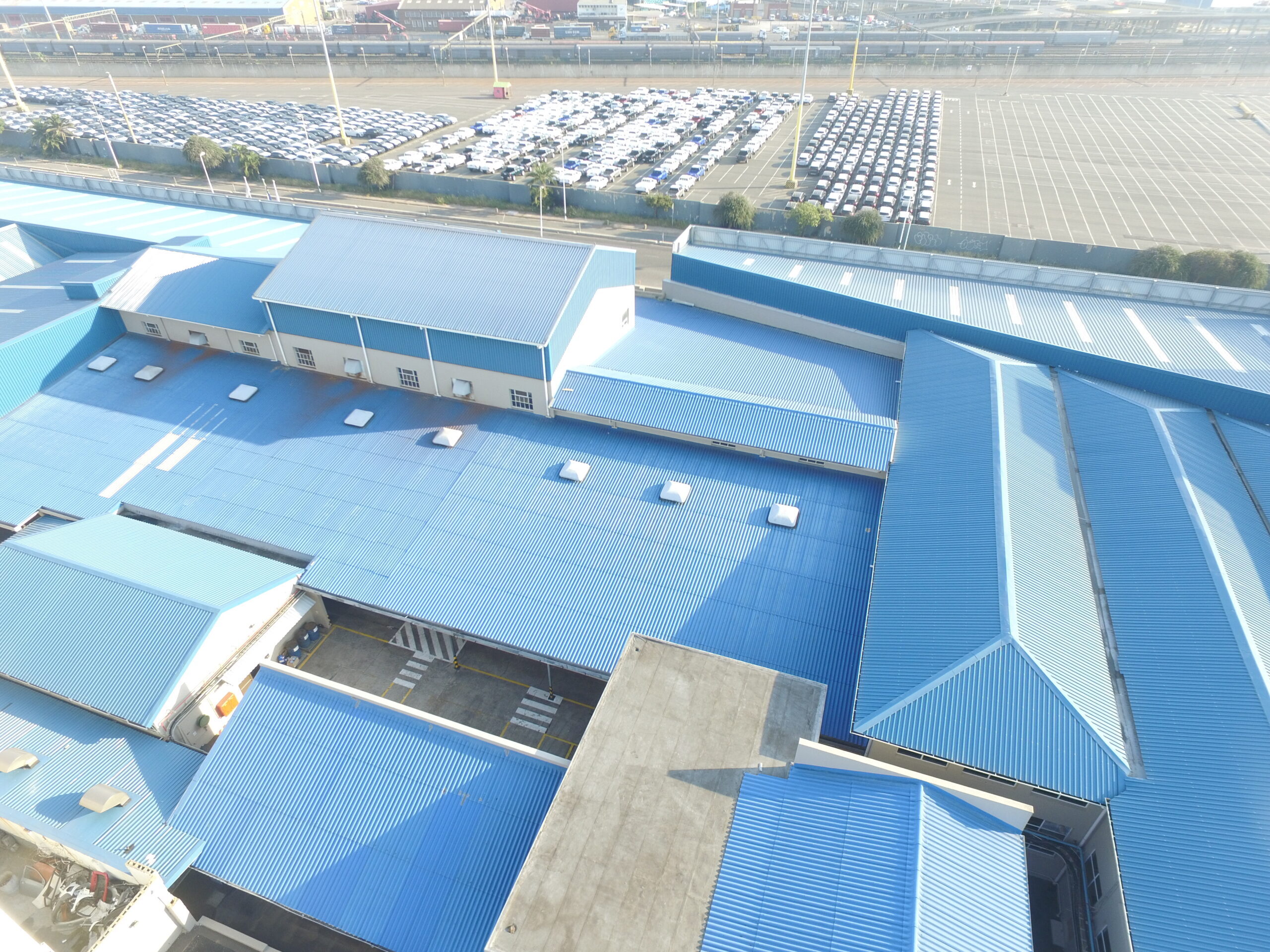
Five Roses Tea Factory
Various maintenance, re-roofing, and waterproofing projects at the Entyce Five Roses Tea Factory in Durban’s Point precinct.
Read More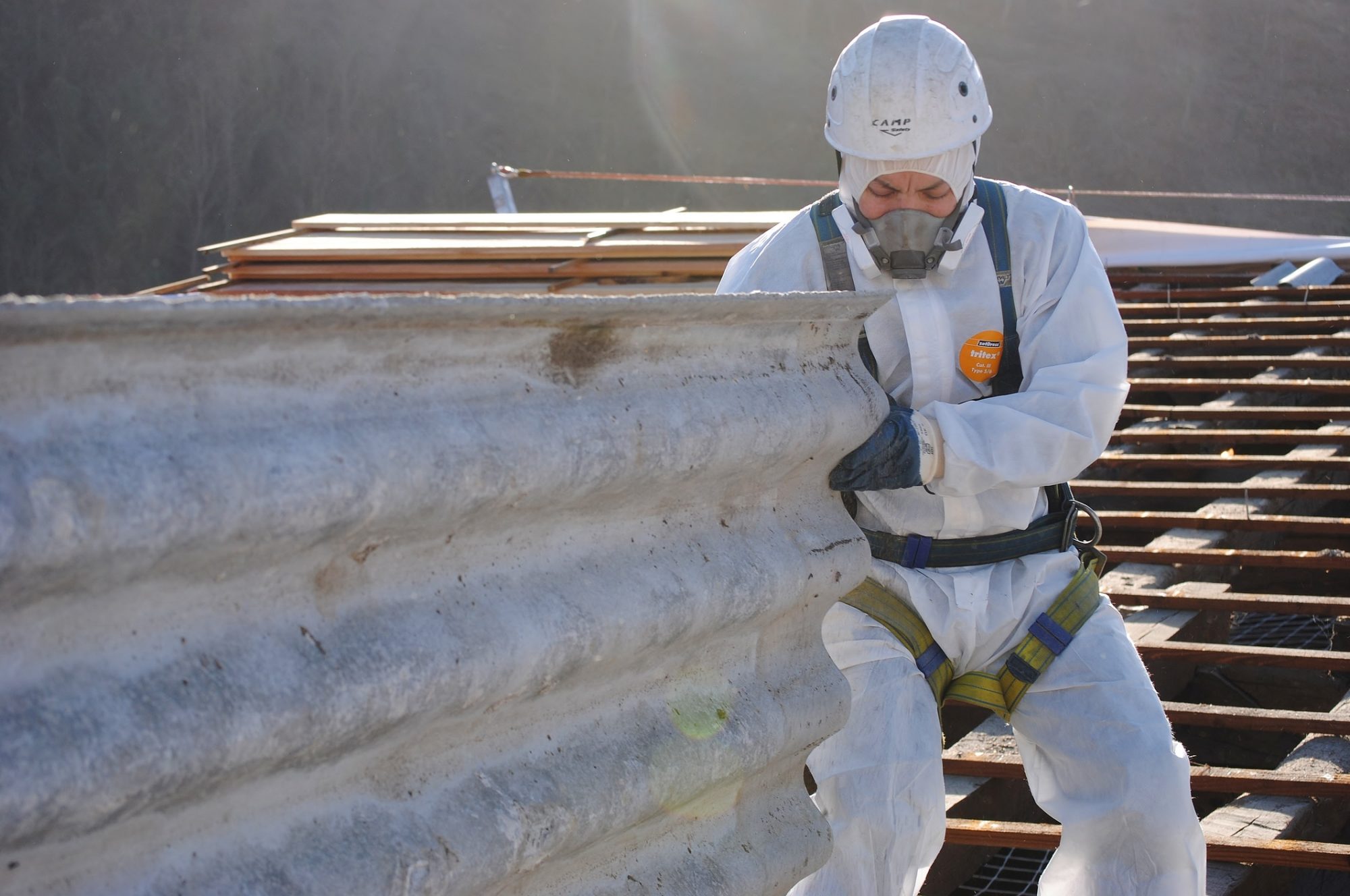
What To Do If You Suspect Asbestos On Site
This article outlines the practical steps and legal obligations based on the Asbestos Abatement Regulations, as amended in May 2022, and offers guidance drawn from real-world experience in the field.
Read MoreSuspect Asbestos On Site?
Book an inspection with an accredited asbestos contractor today. We’ll verify, assess risk, and guide you step-by-step through your legal obligations and safe removal process.


